


Women in the Know

My Money Story: The Financial Cost of Infertility

Fertility


Karen-Routledger

It is estimated that, on average, one in six Canadians experience infertility.  I am one of those Canadians and wanted to share my story.

It comes as no surprise that I am a planner in all aspects of my life, and when I knew I wanted to start a family, the first thing I did was get a physical.  I wanted to ensure that I had no health issues prior to trying to conceive.  Following the all-clear, and customary 12 months of trying to conceive, we started to investigate why we had been unsuccessful.

We underwent many tests to get at the root of the issue.  Following these tests, my husband and I were considered to have undiagnosed infertility, meaning that doctors couldn’t pinpoint a causal link as to why we were unable to conceive.

Armed with this vague diagnosis, we went through the list of available options.  We started with intrauterine insemination (IUI).  On average, these costs range from $575-$1000 per cycle. There are additional medications and ovulation tests, which increase the overall cost of the treatment.  We underwent three rounds of IUI with no success.

Our next step was to consider in-vitro fertilization (IVF).  The costs associated with this treatment are significantly higher, due to the additional steps required.  At the time, a round of IVF came at a cost of $7,000 – $10,000.  This did not include the cost of any medications needed as part of the process, or any additional storage fees related to oocyte or embryo cryopreservation.

My husband and I decided to forgo IVF and pursue open adoption.  We made this choice because we didn’t have a clear understanding of why we were unable to conceive and felt that IVF might not work.  When we went through the initial process of understanding adoption further, we also realized that the legal costs associated with adoption were quite similar to the costs of a round of IVF.

I’m mentioning the costs, as they do have an impact.  Many start the process of pursuing treatment options and fail to consider them.  I’ve witnessed people deplete their savings, in some cases against their partner’s wishes, in an attempt to conceive.

What you want to pursue is a deeply personal choice.  If you are making these decisions, either with or without a partner, consider the following:

  • Treatment Options: What treatments are you willing to try?  What are the physical, financial, and emotional costs of each option?  How much time and energy are you willing to put into the process?
  • Financial Resources: What savings do you have to commit to your treatment options?  What benefits do you have and what can be covered?  When it comes to fertility treatment in Canada, you can write off some expenses.  You can search for eligible medical expenses you can claim on your tax return, and eligible adoption expenses.
  • Emotional Support: How will you receive support throughout the process?  Are there any trusted people that you can share your experiences with?

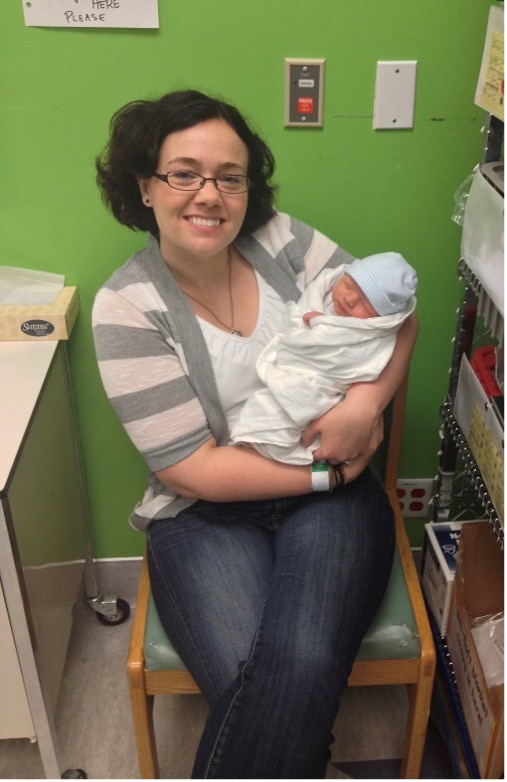
Following what happened to coincidentally be a 9-month adoption process, in the summer of 2013, we held our son Aidan in our arms.  We had many periods of doubt, where we wondered if we had made the right decision.  Looking back, we can’t imagine growing our family any other way.
Recent Posts

April 2026 Market Update – Heightened Geopolitical Risk, Energy‑Led Volatility, and Shifting Rate Expectations

Market movements in March were heavily influenced by geopolitical developments following military conflict involving the United States and Iran that began at the end of February. Military action began prior to the opening of trading on March 2 and continued through the month. During the first three weeks of March, North American equity indexes declined between approximately 4.5 and 9 per cent.

Markets reacted quickly at the beginning of March. Gold and oil prices rose sharply on the first trading day of the month. North American equity markets were relatively flat on March 2 before declining at the open the following day.

Read More »

Spring 2026 Newsletter – The Wagner Investment Management Team

As we move into spring 2026, it’s a great time to revisit your financial plan and ensure your portfolio is positioned for today’s shifting markets.

Explore how global changes may impact your investments, get timely tax‑season tips, and learn strategies to help manage rising costs. Plus, find smart estate‑planning ideas to help protect and preserve your wealth.

Let’s make this spring a season of clarity, confidence, and proactive financial planning—so you’re well prepared for whatever comes next.

Read More »

March 2026 Market Update – Sluggish Growth, Mixed Inflation Signals, and Heightened Global Risk

February ended with reports of coordinated military strikes by the United States and Israel targeting Iranian leadership and nuclear-related infrastructure. Iran subsequently responded with attacks on U.S. and Israeli interests across the region.

Markets reacted quickly at the beginning of March. Gold and oil prices rose sharply on the first trading day of the month. North American equity markets were relatively flat on March 2 before declining at the open the following day.

Read More »

December + Annual 2025 Market Update – Tariff Turbulence, Volatility Peaks, and Commodities Diverge Tariff Turbulence, Volatility Peaks, and Commodities Diverge

Last year was productive for equity investors, with Canadian and American indexes delivering strong returns for the third consecutive year. However, it wasn’t without turbulence. The first quarter saw modest gains until a major policy announcement in early April introduced a new round of trade tariffs, sparking a global trade conflict.

By Friday, April 4, the North American equity indexes had plunged between 6.32 per cent and 10.02 per cent for the week. The MSCI All Country World Index fell 7.91 per cent over the same period, signifying the depth and breadth of the negative effects of tariffs on equity values around the world. Fortunately, by mid-May the TSX, S&P 500, Dow and NASDAQ had recovered these early losses.

Read More »

The information contained herein has been provided for information purposes only. The information has been drawn from sources believed to be reliable. The information does not provide financial, legal, tax or investment advice. Particular investment, tax, or trading strategies should be evaluated relative to each individual’s objectives and risk tolerance. This does not constitute a recommendation or solicitation to buy or sell securities of any kind. Wellington-Altus Private Wealth Inc. (WAPW) does not guarantee the accuracy or completeness of the information contained herein, nor does WAPW assume any liability for any loss that may result from the reliance by any person upon any such information or opinions. Before acting on any of the above, please contact your financial advisor.

© 2022, Wellington-Altus Private Wealth Inc. ALL RIGHTS RESERVED. NO USE OR REPRODUCTION WITHOUT PERMISSION. www.wellington-altus.ca